Short City Walking Routes That Fit Any Schedule
Why Short City Walking Routes Work for Travelers
Exploring a new city on foot is one of the best ways to absorb its character, but not every traveler has hours to spare. Short city walking routes offer a practical alternative. They let you see key sights, neighborhoods, or hidden corners without committing to a half-day trek. Whether you have a quick break between meetings, a layover, or simply prefer a lighter pace, these routes fit naturally into a busy itinerary.
The idea is simple: design a walk that covers a compact area, hits a few worthwhile stops, and returns you to your starting point or a convenient transit hub within a set time. Many apps and guides now let you filter by duration, so you can pick a route that matches your schedule exactly. For example, a 30-minute loop through a historic district or a 45-minute stretch along a riverfront can be just as rewarding as a longer tour.
What Makes a Walking Route "Short"
A short city walking route typically covers between one and three kilometers and takes anywhere from 20 minutes to an hour, depending on your pace and how often you stop. The distance matters less than the design. A good short route avoids backtracking and unnecessary detours. It strings together points of interest that are close enough to walk between without rushing.
Another factor is elevation. A route that seems short on a map might feel much longer if it involves steep hills. Flat, compact areas work best for quick walks. Look for routes that stick to pedestrian-friendly streets, parks, or waterfronts. Traffic and crossing busy roads can eat into your time and enjoyment.
How to Choose a Short Route That Suits You
Not every short walk is created equal. Your interests should guide the choice. If you love architecture, look for routes that pass a mix of old and modern buildings. If food is your thing, a route that goes through a market or past several cafés lets you sample as you go. History buffs might prefer a route that hits monuments or plaques with context.
Time of day also matters. A route through a lively square at midday offers a different experience than the same route at dusk. Check opening hours for any indoor stops you want to include. Also consider weather: a short route can be pleasant in light rain if you have the right gear, but extreme heat or cold might make even a brief walk uncomfortable.
Practical Tips for Making the Most of a Short Walk
Even a brief walk benefits from a little preparation. Wear comfortable shoes. Carry water, especially in warm weather. Keep your phone charged for navigation or audio guides. If you plan to stop for photos or a quick bite, factor that into your timing.
One advantage of short routes is that they are easy to repeat or combine. You can do a morning walk through a market district and an afternoon walk through a museum quarter without feeling exhausted. This modular approach lets you see more of a city without overloading your schedule.
Another tip: look for routes that start and end near public transport. This makes it simple to reach the route and move on to your next destination. Many apps include this detail in their descriptions.
How Audio Guides Improve Short Walks
Audio guides have become a popular companion for self-guided walks. They provide context and stories without requiring you to read from a screen or map. For short routes, a good audio guide keeps commentary concise and aligned with what you are seeing. It might point out a building detail, share a historical anecdote, or suggest a spot for a photo.
The quality of the guide matters. A rushed or generic narration can detract from the experience. Look for guides that match your interests and pace. Some apps let you adjust the speed of playback or skip sections if you want to linger somewhere.
One option that works well for travelers is the Guided Tours short city walking routes. These routes are designed for people who want a structured but flexible experience. They are paced for a comfortable walk and include commentary that matches the route length. The idea is that you get the benefit of a guided tour without needing to follow a group or stick to a rigid timetable.
Examples of Great Short City Walking Routes
While every city has its own gems, certain types of short routes tend to work well across many destinations. Here are a few categories to consider:
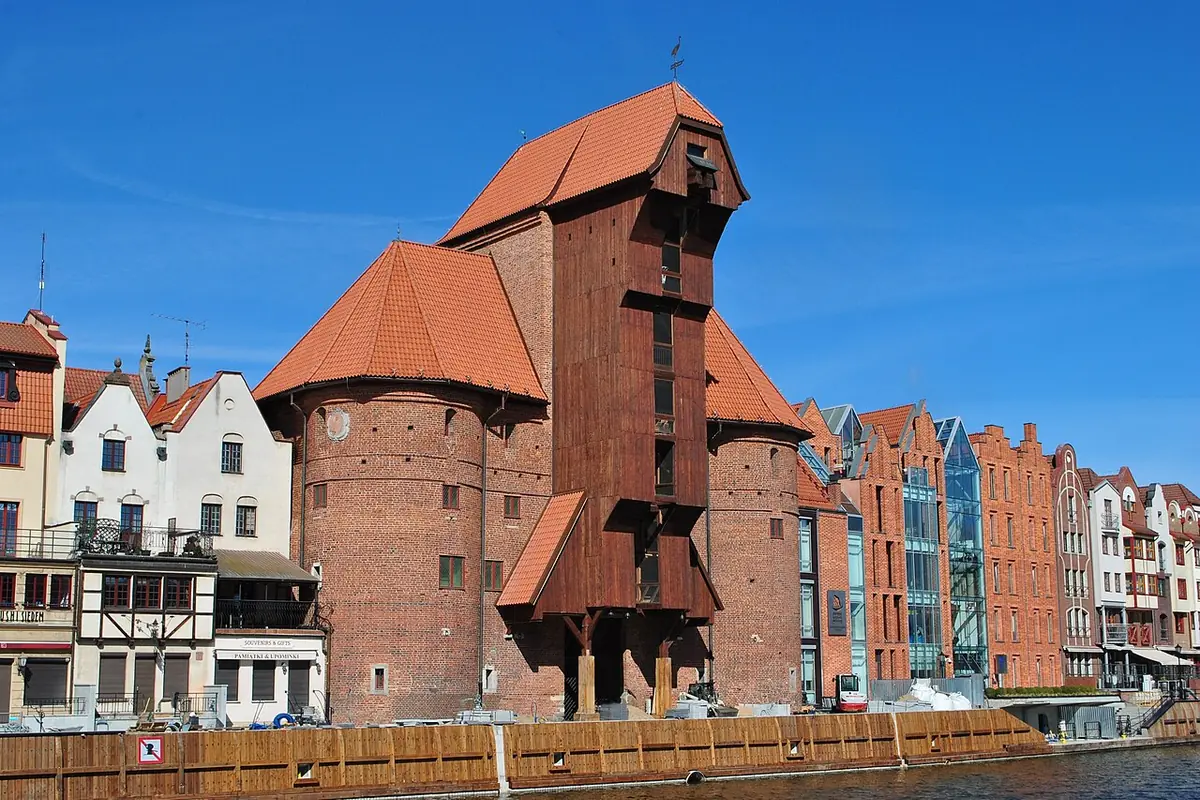
- Historic core loops that circle a cathedral, castle, or old town square. These usually pack a lot of character into a small area.
- Market and food walks that pass through a daily market, a food hall, or a street with popular vendors. They let you taste local specialties as you go.
- Park and garden strolls through a central park, botanical garden, or along a river. These offer a break from traffic and crowds.
- Waterfront promenades along a harbor, lake, or canal. The open views and sea breeze make for a relaxing short walk.
- Art and mural routes that take you past street art, galleries, or public sculptures. They are often concentrated in a few blocks.
Each of these can be covered in under an hour with reasonable stops. The key is to pick one that matches your mood and the time you have available.
Balancing Structure with Spontaneity
A short route does not have to be rigid. You can follow a suggested path but deviate if something catches your eye. A café with outdoor seating, a small shop, or a street performer might pull you off course. That is fine. The route gives you a framework, not a prison.
Some travelers prefer to have a loose plan and then explore. Others want a clear sequence of stops. The best short routes accommodate both approaches. They include enough structure to feel purposeful but leave room for discovery.
If you like the idea of a guided experience but also want freedom, audio tours are a good middle ground. You can pause the narration, skip ahead, or replay a section. Many apps let you start and stop whenever you like. This flexibility is especially useful for short routes because you can adjust on the fly.
Another option is to use a service like Guided Tours, which offers routes tailored to your interests and available time. The Guided Tours short city walking routes are one example of how technology can make self-guided exploration smoother. You choose a route that fits your schedule, download the audio, and head out at your own pace.
Common Mistakes to Avoid
Even with a short route, a few pitfalls can reduce the enjoyment. One is underestimating travel time to the starting point. If the route is only 30 minutes but it takes 20 minutes to get there, the total time commitment is larger than it seems. Plan accordingly.
Another mistake is trying to cram too many stops into a short distance. A route that lists ten points of interest in one kilometer might feel rushed. Pick a route with a few highlights and leave time to appreciate them. Quality over quantity applies here.

Also, watch out for routes that rely heavily on indoor venues that might be closed or have long queues. A short walk can turn into a waiting game. Check hours and entry requirements beforehand if the route depends on visiting a specific building.
Final Thoughts on Short City Walking Routes
Short city walking routes are a practical tool for modern travelers. They let you see a city at your own pace without sacrificing other plans. Whether you are on a tight schedule or simply prefer a lighter day, a well-designed short route can deliver a satisfying experience. The key is choosing a route that matches your interests, preparing a little in advance, and giving yourself permission to wander.
With audio guides and mobile apps, planning these walks has never been easier. You can find routes that fit your exact timeframe and taste. The next time you visit a city, consider adding a short walking route to your itinerary. It might become your favorite part of the trip.
Guided Tours on social media
 Twitter
 Facebook
 Instagram
 YouTube